
Up to 15% off the entire catalogue
13% off from €1,500 | 15% from 2,000
Some products out of stock? Contact us

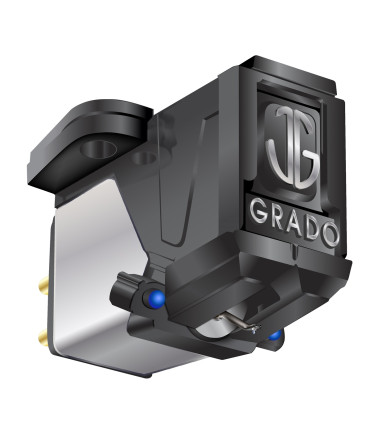
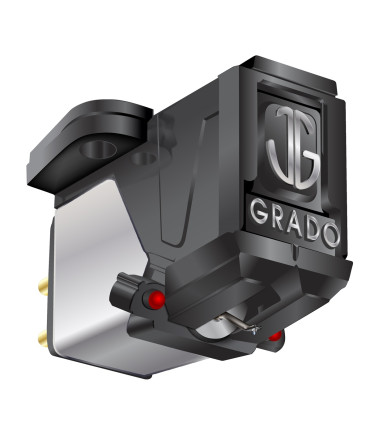
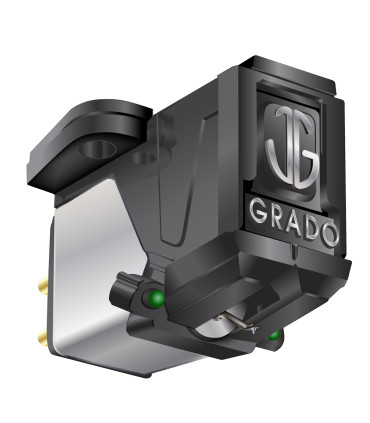
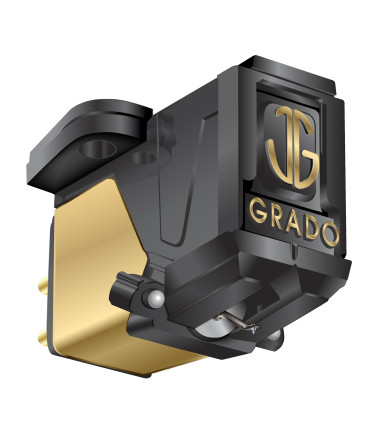
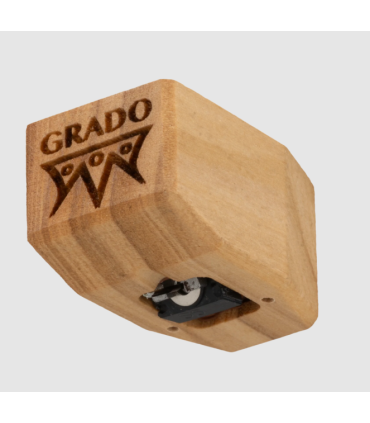
Grado Opus4
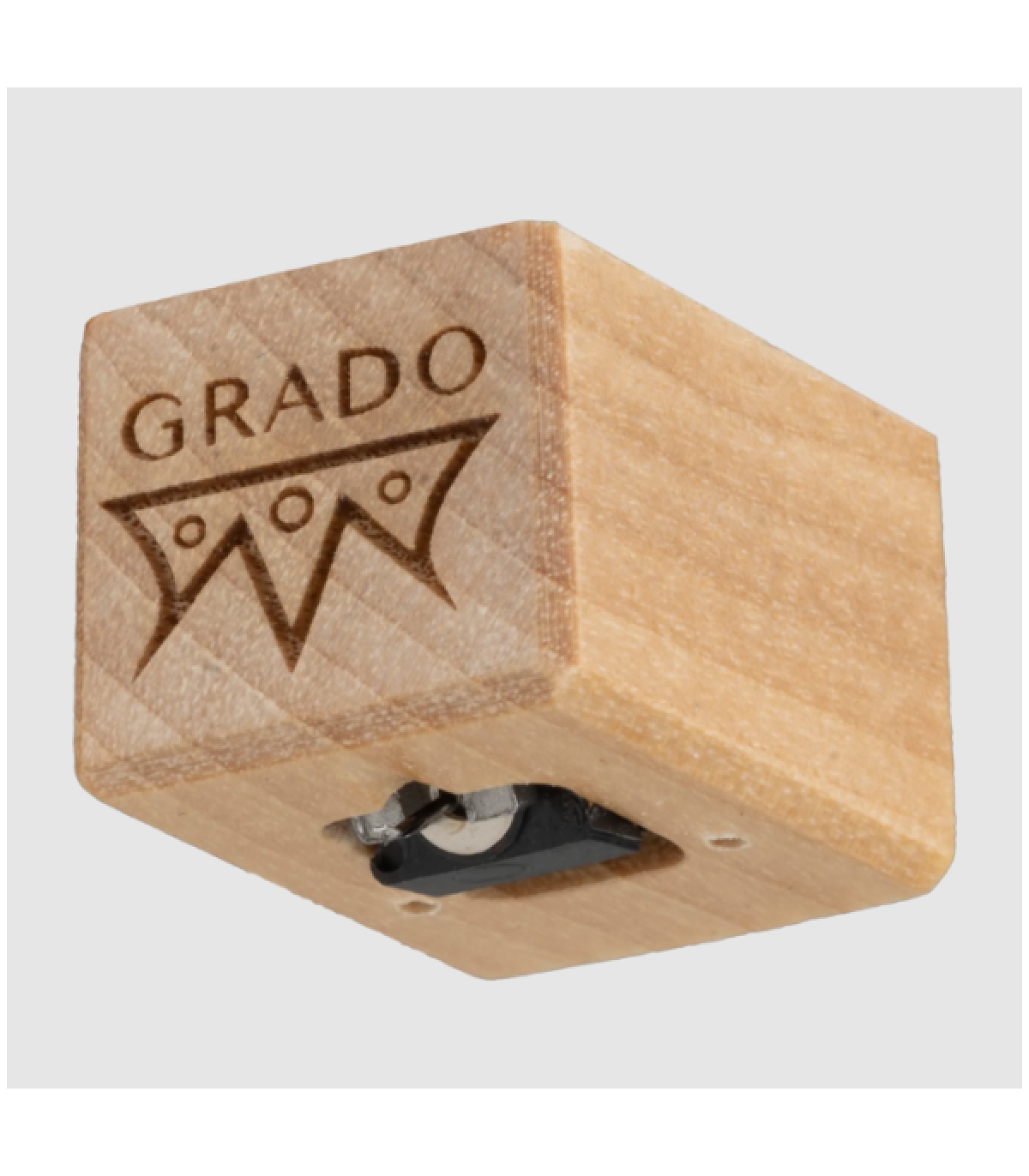
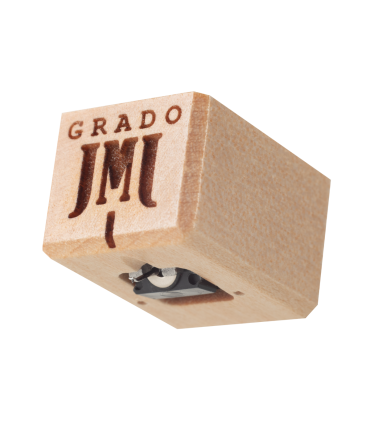
The Grado Opus4 phono cartridge represents the entry point into the Timbre Series and, as a result, introduces the tonal character and wooden construction that distinguish Grado cartridges. Developed from decades of experience in cartridge design, it offers a balanced and musical performance. Furthermore, the Grado Opus4 features a moving iron design based on Joseph Grado’s patented flux-bridger principle: therefore, it generates a stable and precise signal with reduced moving mass, while the coil structure remains fixed. Thanks to this approach, it combines speed and control while also ensuring long-term reliability.
In particular, the American maple wood body helps control resonances and contributes to the tonal balance. The bonded elliptical diamond, mounted on an aluminium cantilever, ensures effective groove contact and reliable tracking performance. As a result, the reproduction is detailed and natural, with a rich midrange and well-defined bass.
Finally, the Grado Opus4 is available in both high-output and low-output versions, making it compatible with a wide range of phono stages. Internally, it also uses ultra-high-purity 5N OCC copper and undergoes cryogenic treatment to preserve signal integrity. As a wooden-body cartridge, it is also included in the Wood Cartridge Upgrade Program, which allows future upgrades to another Grado model with a dedicated benefit.
Specifications
Body: American maple wood
Cantilever: Aluminium with elliptical diamond
Output: High Output 4.0 mV / Low Output 1.0 mV (@ 5 cm/s, 45°)
Inductance: 55 mH (High Output) / 6 mH (Low Output)
Internal resistance: 660 Ω (High Output) / 70 Ω (Low Output)
Recommended input load: 10 kΩ – 47 kΩ
Weight: 8.3 g
Tracking force: 1.6 – 1.9 g
Compliance: 20 μm/mN
Channel separation: Average 30 dB (10 Hz – 30 kHz)
Controlled frequency response: 10 Hz – 60 kHz
Capacitive load sensitivity: None
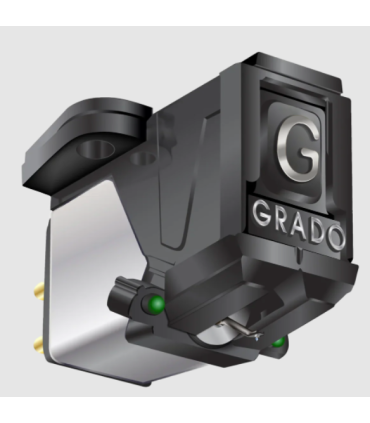
Available versions: High Output, Low Output
Up to 15% off the entire catalogue
13% off from €1,500 | 15% from 2,000
Some products out of stock? Contact us
Available in the versions: High Output, Low Output (model can be selected from the drop-down menu)

















Please sign in first.
Sign in
Create a free account to use wishlists.
Sign in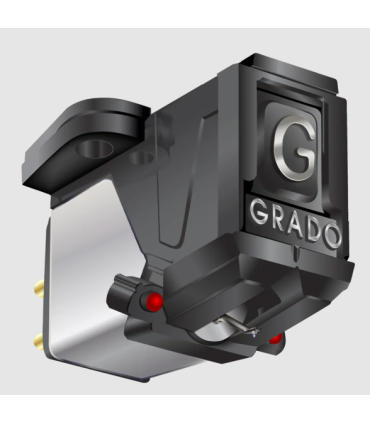

 Italiano
Leave a review